
Most sports sponsorships make a lot of noise, cost a lot of money, and are quickly forgotten. The pattern is familiar. A brand buys the rights, adds its logo to the obvious places, runs a burst of campaign activity, then struggles to show what changed. That is where pressure builds, especially when boards want proof, not promise.
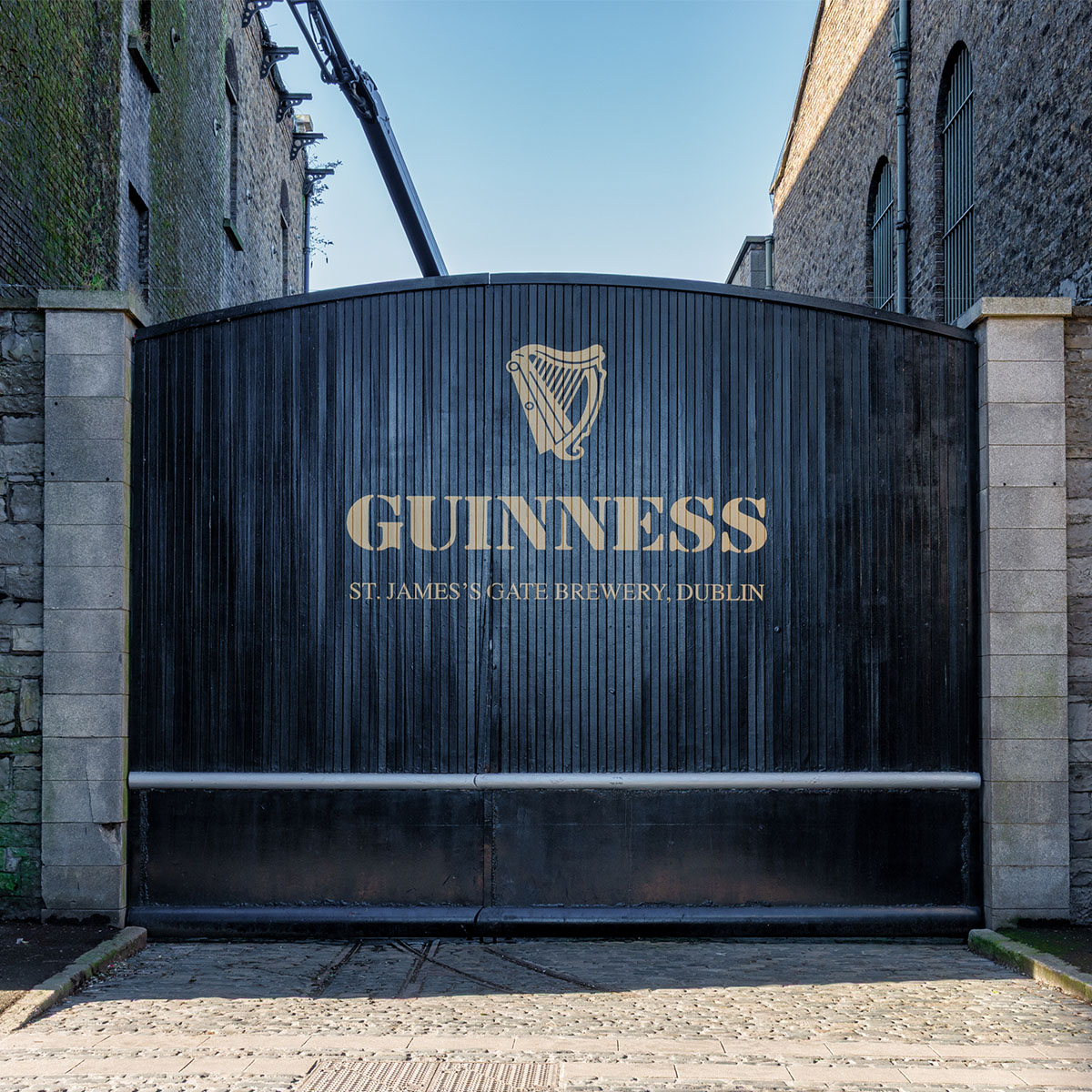
Guinness has shown a different route. At the 2026 ESA Ireland showcase, the standout figure was hard to ignore. Over eight years, Guinness generated £1 billion in incremental sales through its sports sponsorship strategy. That result did not come from a short-term spike. It came from treating sponsorship as a long-term commercial platform built around habit, relevance and consistency.
That is what makes the story useful for sport marketers. Fan attention is fragmented, partner value is under scrutiny, and content alone does not guarantee results. Guinness built around a simple idea with broad reach: Lovely Day. It gave the brand a way to stay present in the rituals around sport, not just the event itself. Before the match, after the match, in the pub, in conversation, and across channels, the brand stayed connected to the occasion.
That thinking also helped Guinness avoid a common sponsorship trap: being tied too tightly to one moment or one season. Rather than acting like a tournament brand, it built a broader association with sport and community. That made expansion easier. Its move from rugby into football, including the Premier League from the 2024/25 season, felt like a continuation of the same strategy rather than a fresh start.
The real lesson is not just creative consistency.
It is commercial clarity. Guinness linked sponsorship activity to business outcomes and kept the experience recognisable wherever fans met the brand. That matters in sport, but it also matters in hospitality and on-trade, where footfall, repeat visits and brand preference are won through repeated, familiar cues.
Measurement is where most sponsorship programmes become vague. Guinness offers a stronger example. Instead of stopping at reach or impressions, the focus stayed on incremental sales, profit return, brand affinity and year-round relevance. Reported results showed £4.81 in gross profit for every £1 invested. That gives internal teams something far more useful than a campaign highlight reel. It gives them evidence.
The broader point is simple. Sponsorship works harder when it is treated as an ongoing system, not a badge. The brands that win are the ones that stay culturally present, make the experience feel consistent, and connect activity back to outcomes that matter in the boardroom.