
I don’t usually write about food and drink. Most of what I talk about tends to sit in sport, sponsorship, fan behaviour. But this year, I’ve been trying to make a few slightly more health-conscious decisions day to day. Nothing extreme, just being a bit more aware of what I’m eating, drinking, and when. And it’s making me notice something.
The way “better-for-you” products are marketed is often completely out of sync with how people actually behave. Because if there’s one mistake I keep seeing, it’s this idea that people are either “healthy” or “indulgent”. As if those are fixed personality traits, rather than passing states of mind.
They’re not…
The same person who grabs a probiotic yoghurt on a Monday morning is ordering chips and curry sauce on a Friday night. That doesn’t make them inconsistent. It makes them normal. And if your marketing strategy can’t cope with that contradiction, it’s going to struggle. The opportunity in food and drink right now isn’t owning a consumer segment. It’s owning a moment.
You can’t climb both ways at once
Brands often ask whether they can sit in indulgence and better-for-you at the same time. Short answer, yes. Longer answer, only if you’re clear about what role each plays.
When a historically indulgent brand introduces a healthier option, consumers tend to accept it. There’s a natural logic to it. “They’re making something I already enjoy a bit better for me.” That’s why things like Pepsi experimenting with functional or prebiotic variants make sense. There’s permission there.
The reverse is much harder. A brand rooted in health suddenly launching a full sugar, no apologies indulgence feels off. It breaks the trust they’ve built. This is where portfolio thinking comes in. Big groups get this. Individual brands stay focused. The separation happens by occasion, not ideology.
Everyday vs treat. Routine vs escapism.
Try to blur those at brand level, and you usually weaken both.
Stop segmenting people. Start understanding occasions.
I’ve never found “health-conscious consumers” vs “convenience seekers” that helpful as a distinction. It assumes people wear one hat all the time.
They don’t.
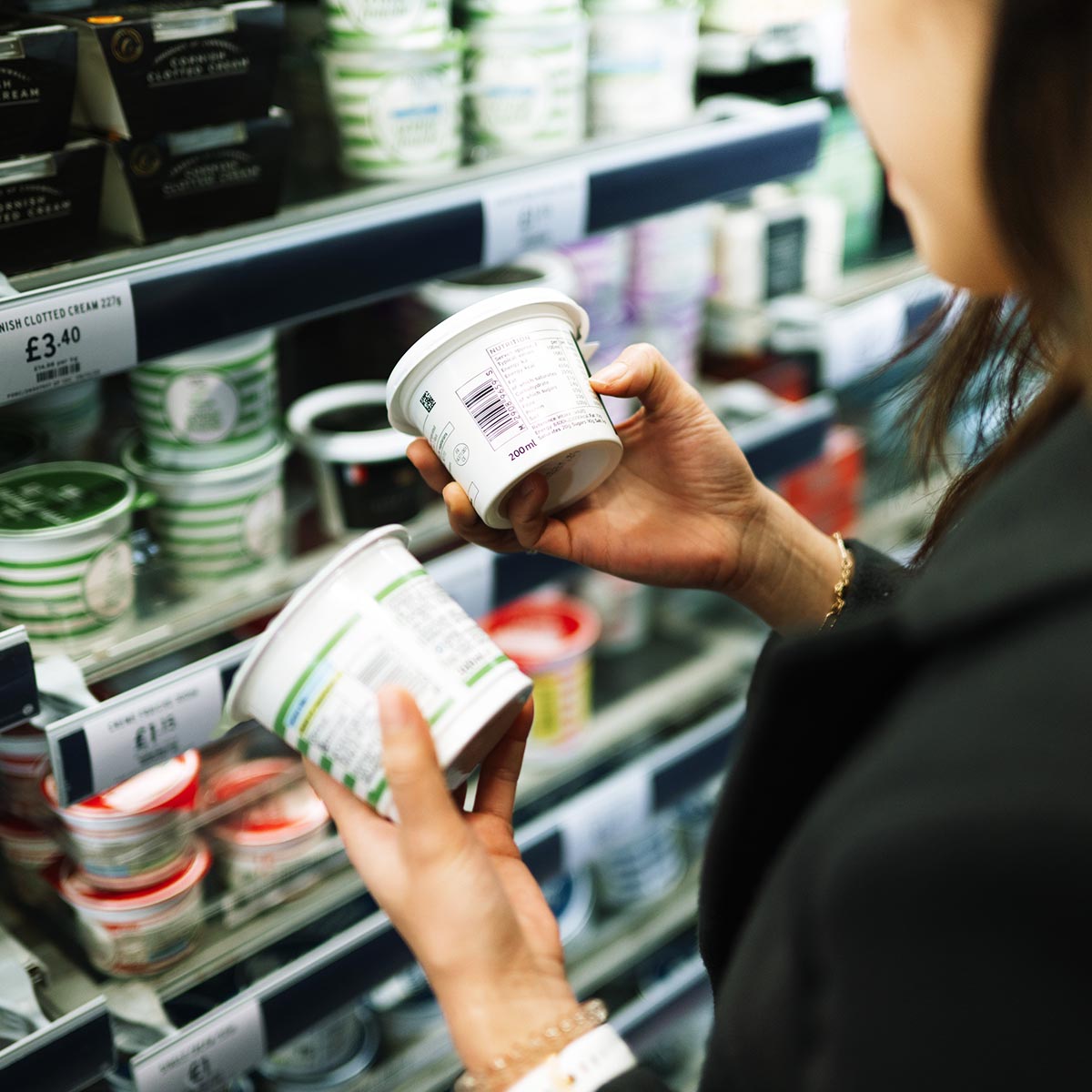
What actually drives food and drink choice is context. Time of day. Mood. Where you are. Whether you’re on the move, at your desk, in the gym, or stood in front of a meal deal fridge with about 30 seconds to decide.
The same person can be disciplined midweek and completely different at the weekend. They can do Dry January and still love a pint. The rise of alcohol free lager proves that. It is not about giving something up, it is about flexing between modes. You see that same behaviour mirrored in brands.
Richmond moving into vegetarian sausages works because it reflects how people are already experimenting with their own diets. You almost never see the opposite move from brands built purely on health or ethics.Marketing works best when brand behaviour mirrors real behaviour.
Being “clean” is no longer a message
Words like “natural”, “clean” and “guilt-free” have been used to the point they don’t really mean anything anymore. In most categories, they are table stakes. What actually cuts through now is specificity.
What’s in it. What’s not. What it does. Why it matters.
Not vague lifestyle language, just clear, useful information. Protein grams. Ingredient lists. What’s been taken out as much as what’s been added in. You can see this shift clearly on pack design. Less fluff, more clarity.
At the same time, consumers are more informed than we often give them credit for. Things that used to sit quietly on the back of packs are now front and centre. People are more curious, more willing to self-educate, and more sceptical of anything that feels overly polished.
That’s usually where “worthy” marketing creeps in, when brands assume they need to over-explain or oversimplify.
Health doesn’t have to be dull
One of the quickest ways to kill a food or drink campaign is to strip out any sense of enjoyment in the name of being virtuous. Healthier products don’t win because they’re morally better. They win because they still feel like something you would actually want. Most people aren’t chasing perfection. They are just trying to feel slightly better about a decision they were going to make anyway.
That’s a very different brief.
It means humour still works. Familiarity still works. A bit of self awareness goes a long way. You don’t need to lecture. You don’t need to pretend indulgence doesn’t exist. Taste still leads. Health is the bonus.
The shelf is the real decision-maker
For all the focus on digital, most of these decisions still happen in-store. Often quickly, and often without much planning. That chilled fridge at the front of the shop is doing a lot of heavy lifting.
People rarely walk in knowing exactly what they are going to pick. They build a meal in stages. One choice influences the next. That makes packaging one of the most important bits of communication in the entire journey. It is the final ad. You have got a couple of seconds to signal what the product is, who it is for, and why it fits that moment.
Distinctiveness helps. So does clarity. Sometimes that is a subtle evolution of what people already know. Sometimes it is a completely different visual cue to signal a different mindset.
And then there is price. Promotions. Yellow stickers. Whether brands like it or not, they are part of the messaging system too. Digital might get you considered. The shelf gets you chosen.
Measure trust, not just tills
Sales matter. Of course they do. But they are a lagging indicator.
If you only optimise better-for-you marketing around short term sales spikes, you miss the bigger picture. Perception, trial, repeat are just as important. So is understanding which occasions you are starting to win. Because this category runs on trust.
People are not just asking “does this sell?” They are asking “do I believe this?”And that is built over time. Through consistency, clarity, and not over-claiming.
Campaigns tied to things like Dry January or Meat-Free Monday can give you a spike. But long term growth comes from showing up credibly all year round.
Where Content. Craft. Connect. actually matters
This is where good marketing discipline earns its keep. Content is about understanding real behaviour, not neat personas on a slide. Craft is about turning that into something people can process quickly, in the moment they are making a choice. Connect is about making sure what people see in an ad matches what they experience on the shelf.
Better-for-you marketing is not about choosing sides. It is about recognising that people do not live in boxes. The brands that get that, and reflect it honestly, are the ones that earn repeat behaviour.
And in food and drink, repeat is everything.